RAS

Turning RAS technology into operational capability

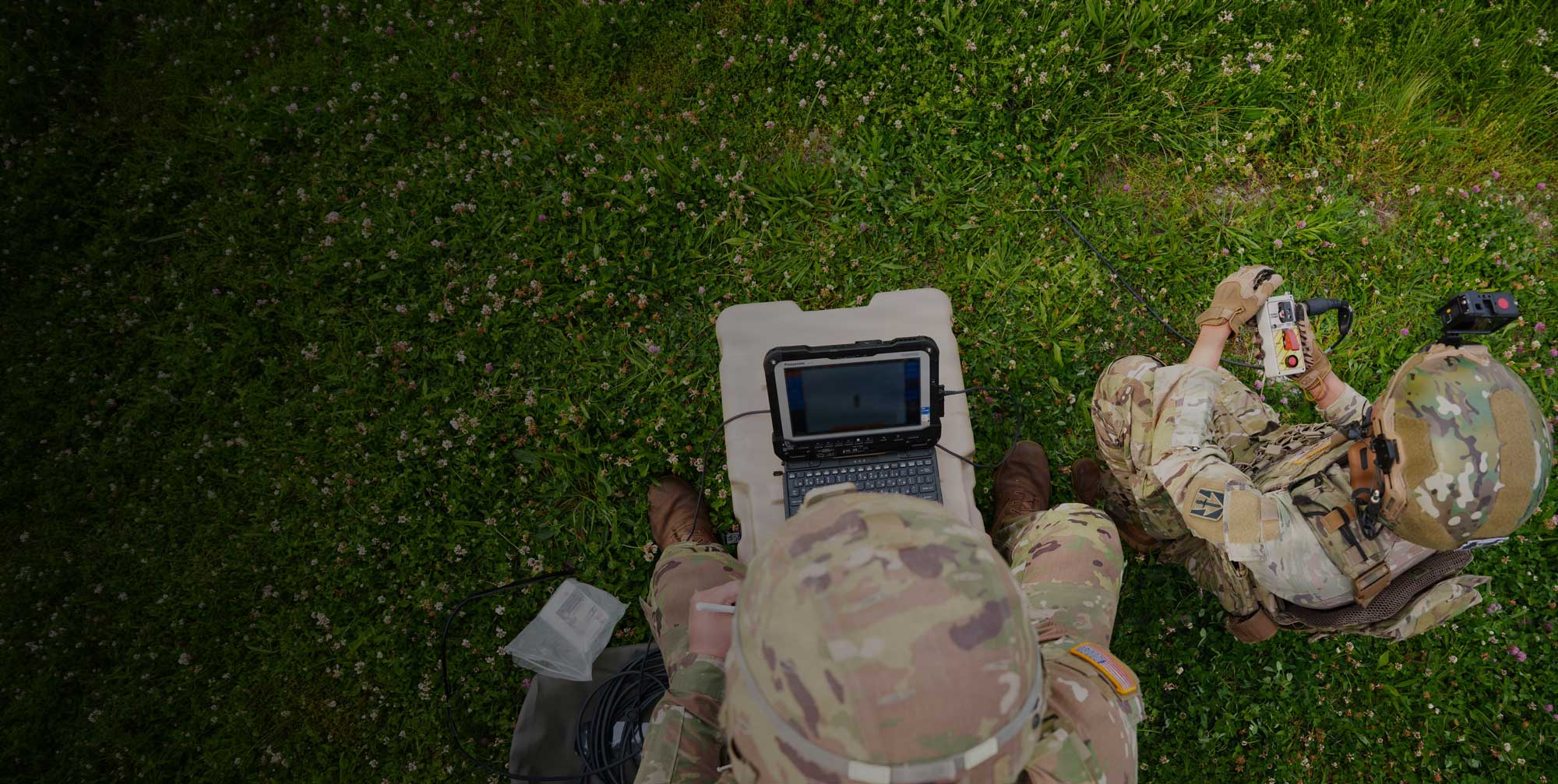
As threats become more distributed and operations more data-intensive, autonomous technologies must perform reliably and work together with the people, data, networks, and command systems that drive mission execution.
LMI partners with federal agencies to turn RAS technology into operational capability. We evaluate technologies, connect mission systems, test performance, support fielding, and sustain and adapt RAS capabilities as mission requirements evolve.
Use onboard sensors, AI-assisted analysis, and connected data feeds to extend observation across remote, contested, border, and maritime environments.
Deploy remotely operated or autonomous platforms with mission-specific sensors and payloads where physical access is difficult or human exposure creates unnecessary risk.
Apply robotic platforms, autonomous navigation, mission-planning software, and communications to support the movement of supplies and equipment in challenging conditions.
Connect autonomous capabilities, mission software, and operator-facing tools to extend team sensing, reach, and capacity while maintaining appropriate human oversight.
Support unmanned aircraft operations and evaluate sensing, detection, tracking, and other counter-UAS technologies against mission requirements.
Combine mobile sensing, mapping, and data-sharing capabilities to expand access and situational awareness during emergency and public-safety operations.
One partner across the RAS lifecycle
Translate mission needs into technical requirements, operational use cases, and mission threads. LMI works with operators to establish what RAS technology must accomplish and the conditions under which it must perform.
Assess platforms, payloads, autonomy tools, and supporting technologies against requirements. LMI helps customers compare options, understand performance and limitations, and navigate applicable selection and acquisition considerations.
LMI connects autonomous platforms, sensors, payloads, networks, data, and command-and-control (C2) systems so they work together within the mission environment. Our teams address communications, cybersecurity, and authorization requirements.
Evaluate RAS performance under mission conditions. LMI supports experimentation, testing, operator feedback, training, and fielding activities that help customers identify limitations, refine capabilities, and prepare systems and people for deployment.
Keep RAS capability effective as technologies, personnel, and missions change. LMI supports sustainment through training readiness, logistics coordination, replenishment, updates, and continued testing.
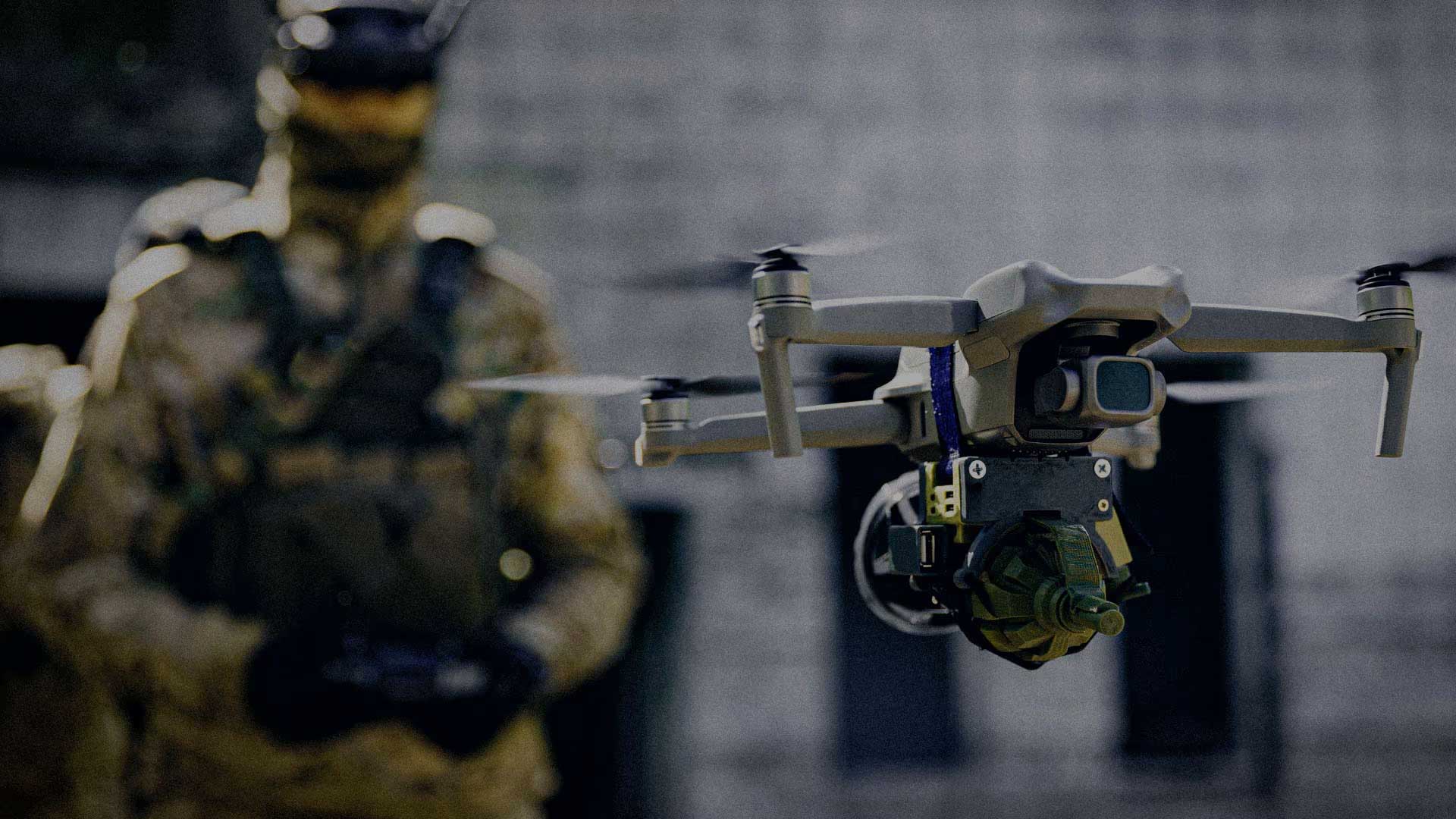
UAS and counter-UAS testing
Across more than 25 test events involving over 100 systems, LMI supported mission-relevant performance assessments, standardized testing, and automated data analysis. The resulting evidence helps agencies acquire technologies that fit their mission, authorities, and operating environment and plan more effectively for training, deployment, and sustainment.
Technology powering RAS execution

Saturday, November 14, at 8:00 a.m. at Fort Bragg Training Area K (behind Beckwith Lodge)_
30th Annual JSO 10K





Advance your RAS capability
connect_



OUR PLATFORMS_
IronSled™
RAPTR®
LIGER®
SPECTR™