
Tactical Application_
KEY HIGHlights_



Mission Context
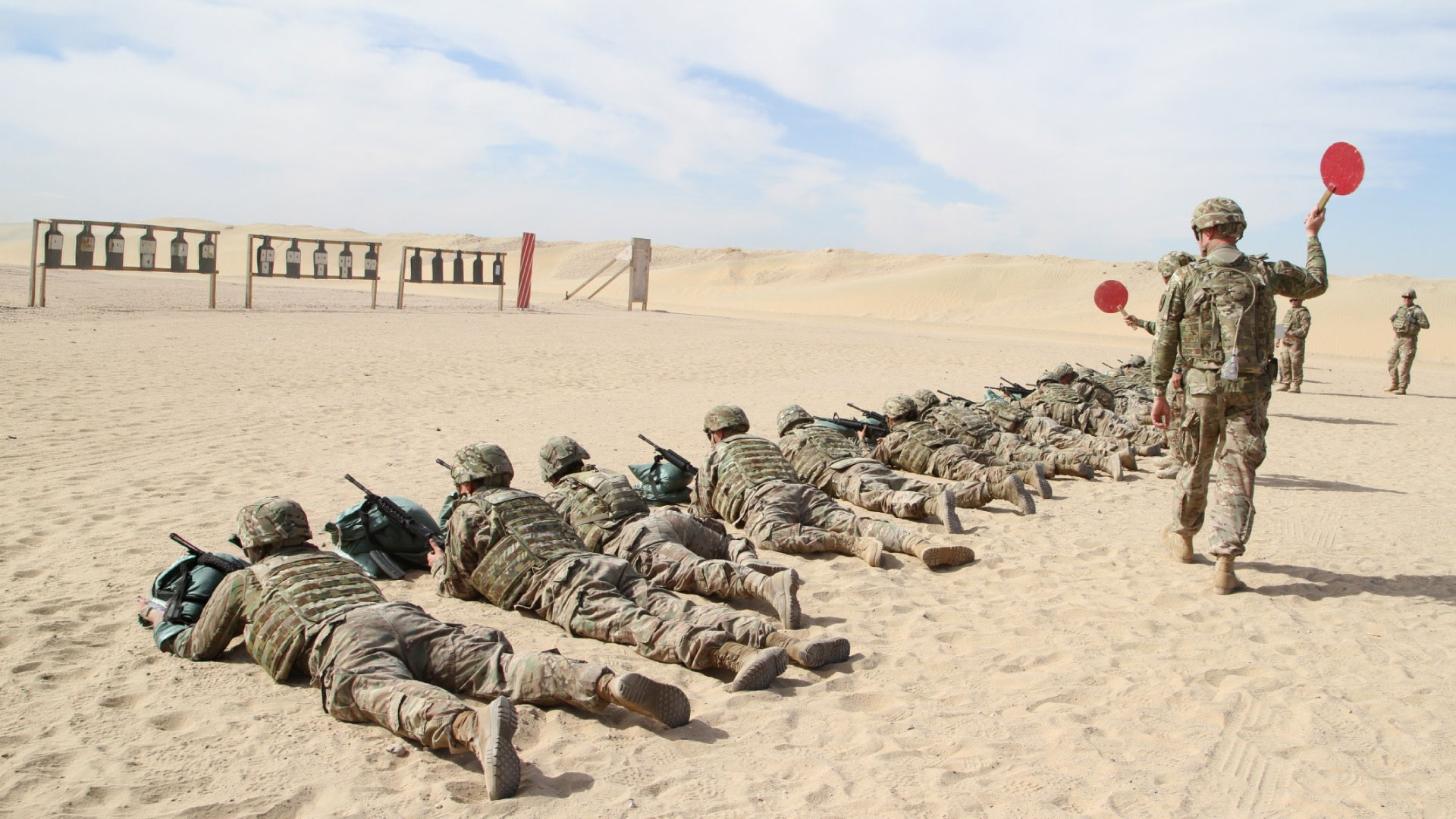
The U.S. Army’s global training mission requires installations to coordinate scheduling, management, and reporting of range and training area operations, while ensuring compliance with Army Sustainable Range Program and Range Safety regulations.
The Range Facility Management Support System (RFMSS), a CAC-enabled, web-based enterprise application, serves as the primary system used by Active Duty Army, National Guard, Reserve Units and Joint Force, to manage these activities.
Core Challenge
For over two decades, RFMSS operated in a distributed, on-premises architecture, with independently managed systems deployed across installations, introducing operational inefficiencies and risks to training readiness:
- Fragmentation: Independent management across installations made it difficult to maintain consistent operations and coordinate system updates.
- Delays: Site-specific deployments slowed the implementation of enterprise-wide updates.
- Inconsistency: Mismatched software versions across installations reduced reliability and
created integration challenges.
Tactical Application
The Army partnered with LMI’s team supporting the Army Training Information System to migrate RFMSS from its decentralized, legacy Army data center to the cARMY AWS 2.0.
The LMI team designed and built the infrastructure on AWS, thoroughly testing it for performance, reliability, and security prior to the migration. Proceeding with the migration required careful coordination with the installations in order to minimize disruption to daily training activities. For the migration, LMI followed a structured workflow, deactivating each site’s RFMSS application, extracting all data, restoring it to a cloud version of the site, and validating the data’s integrity before reactivating access to the new site. As a result of this migration, RFMSS now operates within a centralized and scalable, modern cloud architecture.
- Timeline: Completed in 6 months (Sept. 2025 – Feb. 2026) to ensure operational continuity.
- Scope: Migrated 104 installations across Active Duty, U.S. Army Europe, and National Guard sites into the unified framework.
Operational Impact
The RFMSS migration to a modernized infrastructure across more than 100 Army and joint locations strengthens the ability to plan, coordinate, and execute training operations through:
- Synchronized and uniform updates eliminate version disparities across installations and independent deployment cycles.
- Reduced complexity for system sustainment and streamlined resource management with a scalable architecture that supports future growth.
- Improved compliance with Army Sustainable Range Program and Range Safety regulations ensures sustainable training operations.
- Strengthened security posture through improved alignment with Army cloud security standards, protecting operational data and enhancing system reliability.
This initiative establishes a secure and resilient foundation for continued modernization. With improved efficiency, compliance, and scalability, the Army is better positioned to streamline global training management needs, enhance readiness, and sustain long-term operational performance.